Cultivation of Taiwanofungus camphoratus
Our Services
Exclusive TF-15 Taiwanofungus camphoratus Cultivation Technology
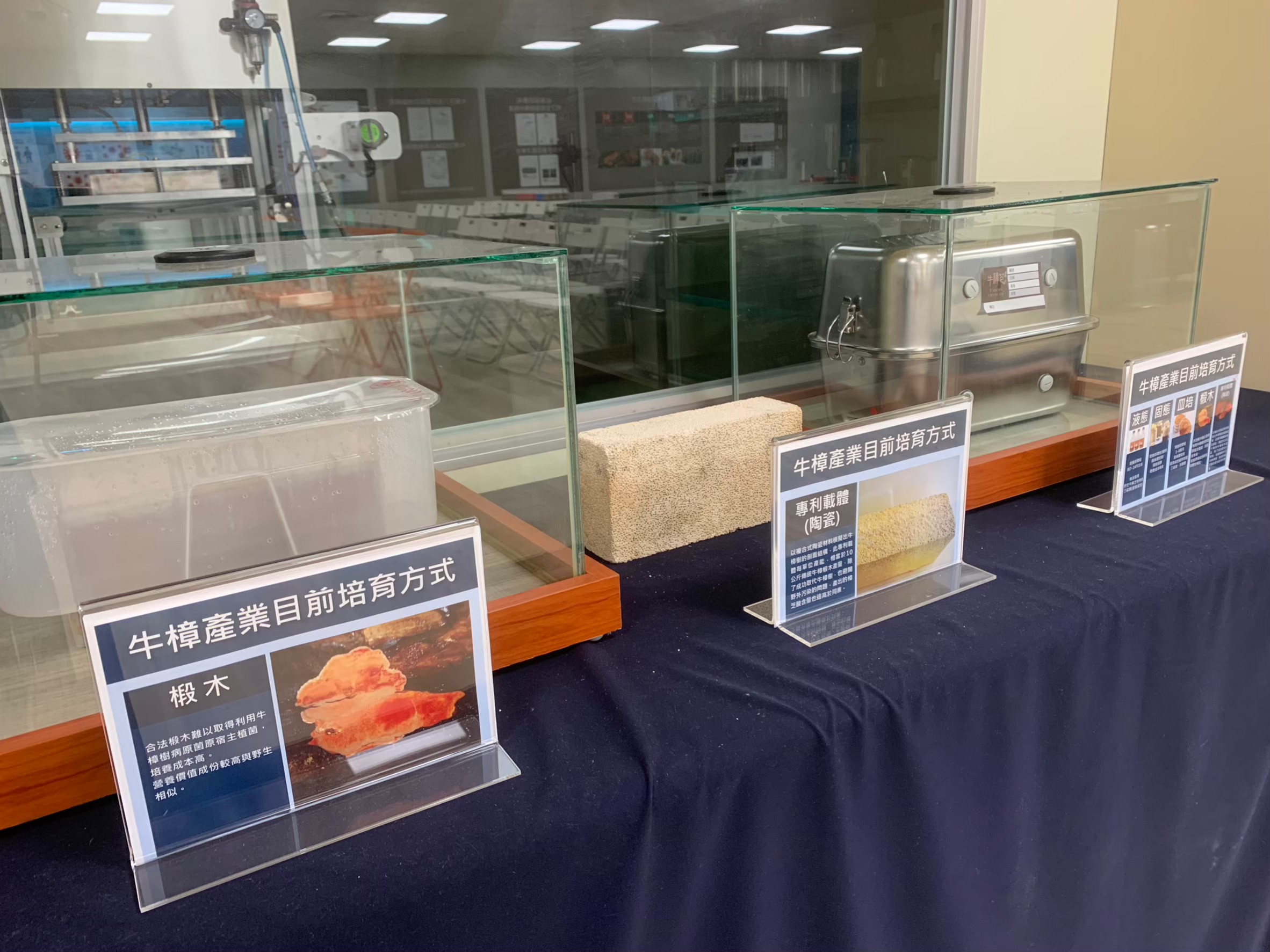
For years, the Taiwanofungus camphoratus industry in Asia has faced a chronic shortage of Cinnamomum kanehirae (bull camphor) wood logs. Consequently, over 90% of the AC raw materials on the market are derived from mycelium (produced via liquid fermentation, solid-state fermentation, or dish cultivation). However, industry experts agree that to achieve the most comprehensive therapeutic efficacy, the use of fruiting bodies is essential.
Recognizing this critical gap, we invested several years and over NTD 100 million in R&D to optimize and upgrade three core dimensions: strain selection, substrate engineering, and analytical testing. These efforts culminated in the development of TF-15 (Taiwanofungus Antcin A 1,500 PPM)—a high-performance fruiting body that is identical to wild AC in morphology, chemical composition, and aroma. The breakthrough lies in its concentration of the rare bioactive compound Antcin A, which reaches 1,500 PPM. TF-15 offers a safe, non-toxic, and highly stable supply chain that is both controllable and reliable.
Specially Selected Strains
Cultivating and screening for dominant strains to enhance the concentration of bioactive compounds.
Substrate R&D
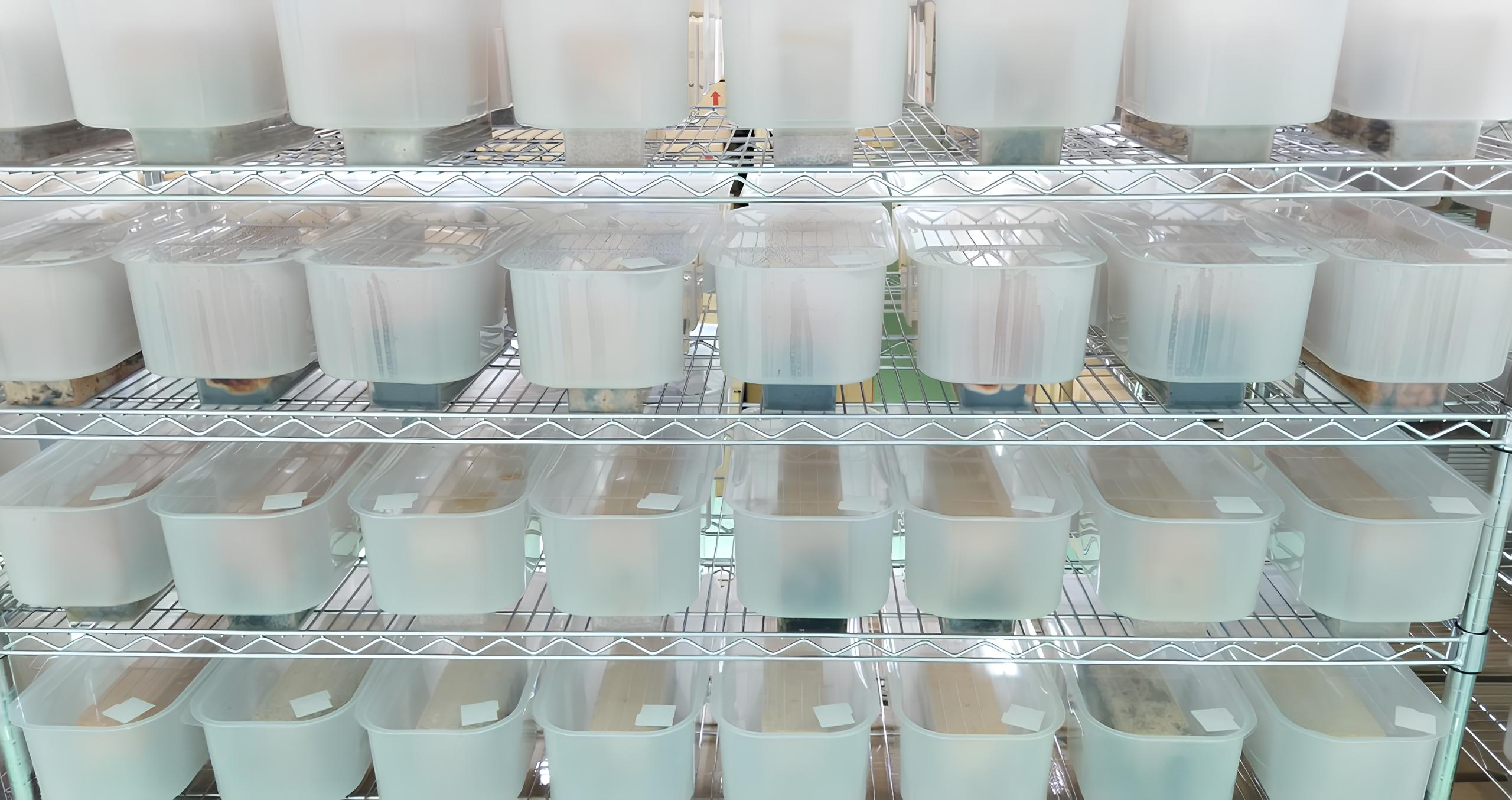
Patented cultivation substrate enabling sustainable, scalable Antrodia production.
Bioactive Compound Analysis
Exceeding National Standards through Enhanced Bioactive Compound Testing.
Our mission
Multi-National Certification for Patented Cultivation Substrates
The primary bottleneck that has long stagnated the total output value of Asia’s Taiwanofungus camphoratus industry is the acute shortage of Cinnamomum kanehirae (bull camphor) wood. Balancing industrial development with environmental conservation has remained a persistent challenge for the sector. Identifying this clear market gap, our team tested over 10,000 material formulations before ultimately selecting food-grade ceramic as the optimal cultivation substrate.
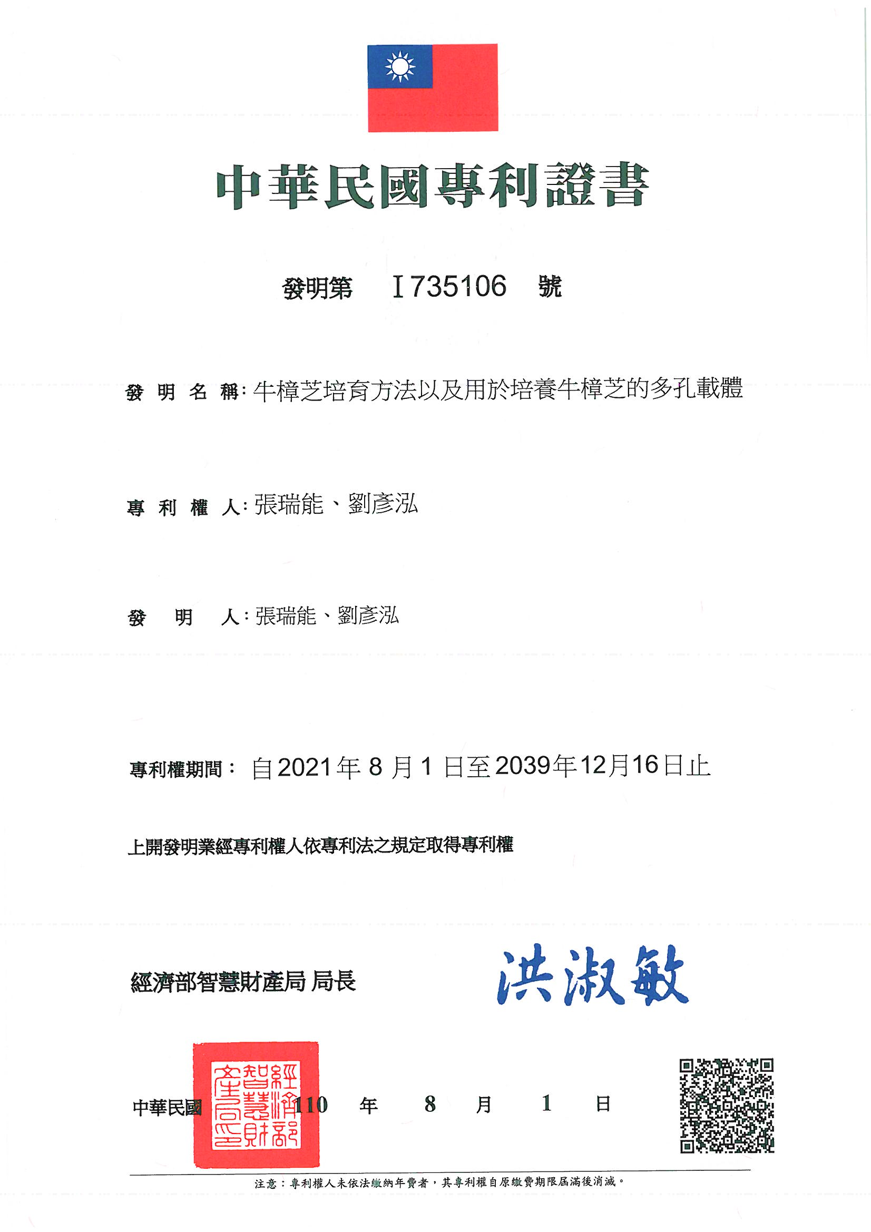
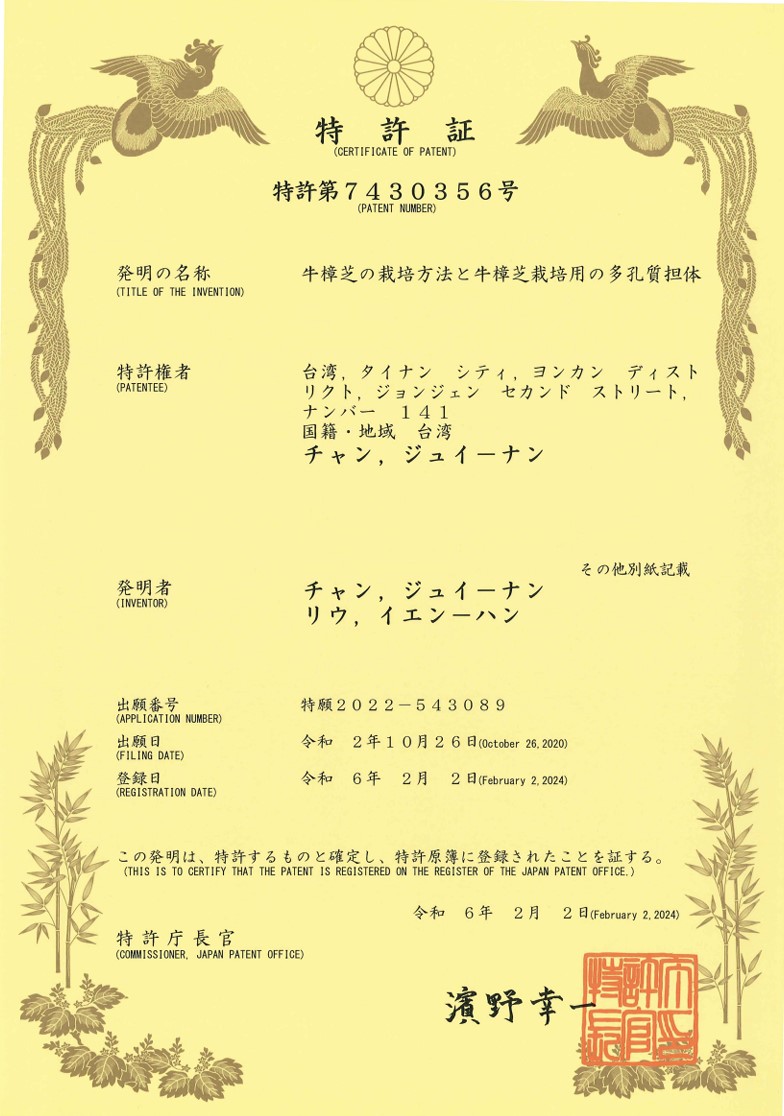
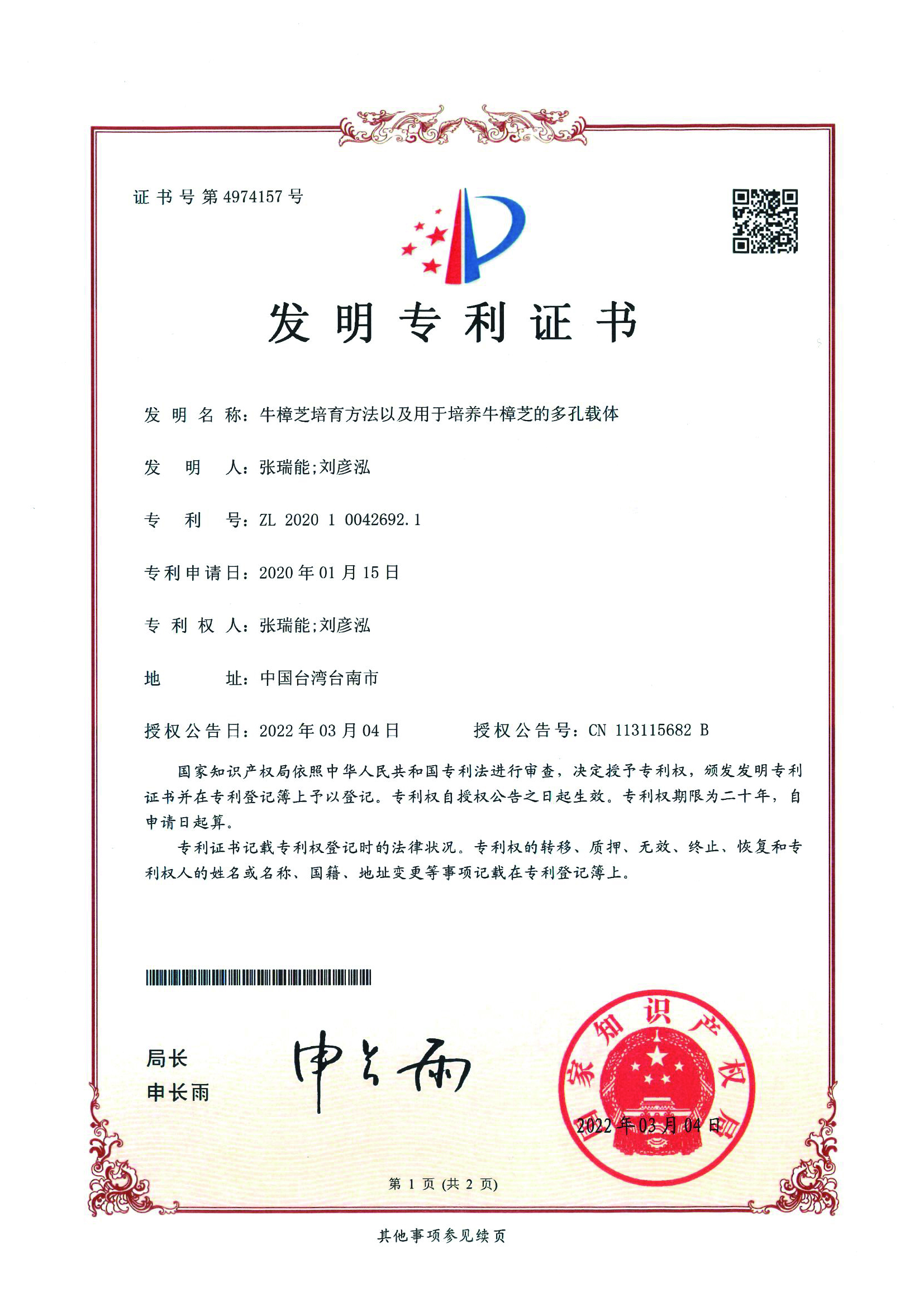
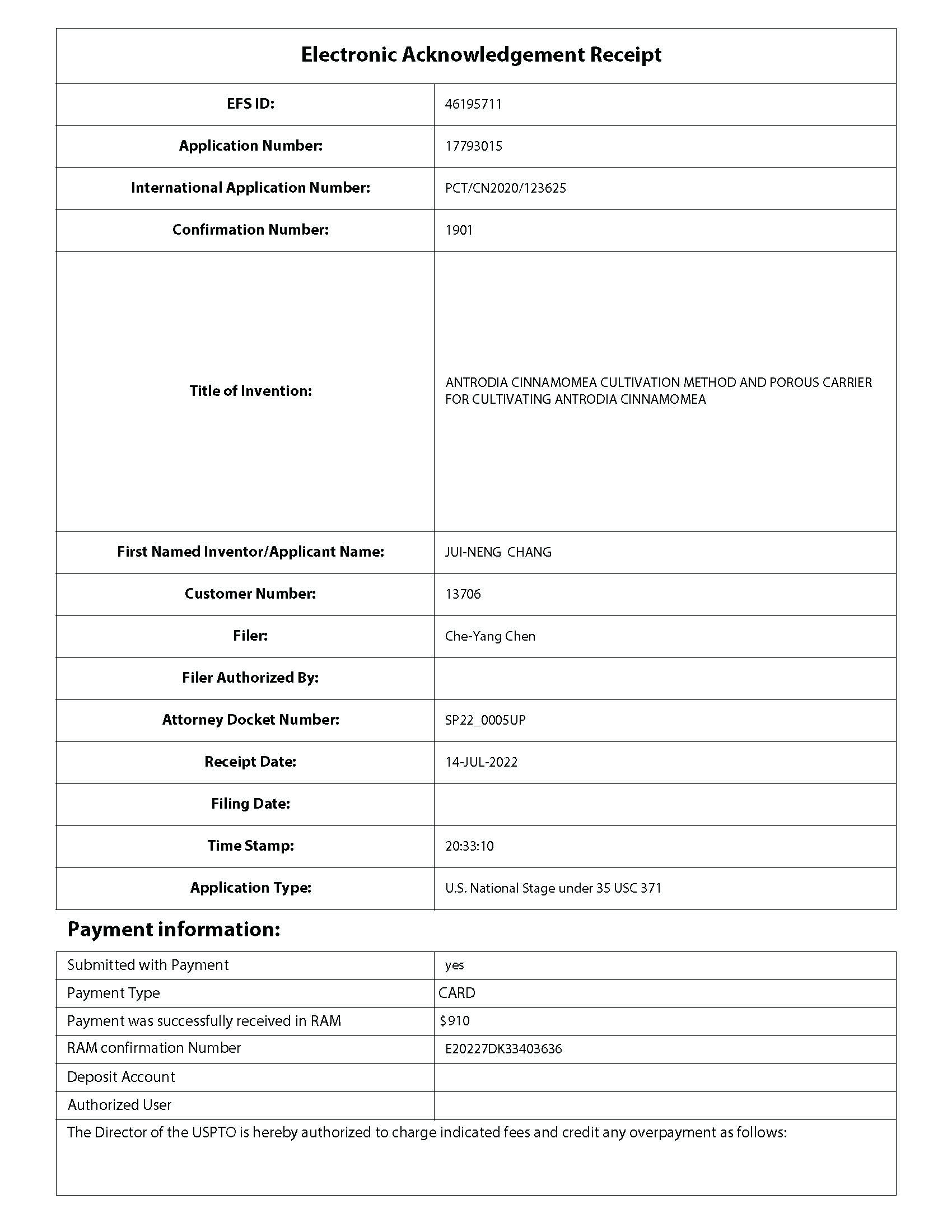
This innovation successfully mimics the structural density and water-absorption porosity of natural bull camphor wood logs. Our proprietary technology, “Method for Cultivating Taiwanofungus camphoratus and Porous Cultivation Carrier,” has secured patents across Taiwan, China, the United States, and Japan. This breakthrough enables scalable mass production, aligns with global ESG sustainability trends, and eliminates international trade barriers associated with protected timber.
Patent Certificate for Cultivation Substrate
FAQ
What is the rationale for selecting the patented ceramic substrate as the new cultivation method for Taiwanofungus camphoratus?
The Taiwanofungus camphoratus industry in Asia has long been hindered by a chronic shortage of bull camphor wood logs. As a result, over 90% of AC raw materials on the market consist of mycelium (produced via liquid fermentation, solid-state fermentation, or dish cultivation). While consumers have long been misled by the conflation of mycelium and fruiting bodies, industry experts maintain that the full spectrum of therapeutic efficacy can only be achieved through the latter.
In response to this gap, we invested several years and over NTD 100 million to optimize and upgrade three critical dimensions: strain selection, cultivation substrates, and analytical testing. By utilizing our proprietary food-grade ceramic substrate, we have successfully developed TF-15 (Taiwanofungus Antcin A 1,500 ppm)—a breakthrough result that is identical to wild AC in morphology, chemical composition, and aroma. The key lies in its concentration of the bioactive marker Antcin A, which reaches 1,500 ppm, ensuring a safe, non-toxic, stable, and highly controllable supply chain.
What are the established research findings and peer-reviewed publications regarding the therapeutic benefits of Taiwanofungus camphoratus in the field of human health?
Taiwanofungus camphoratus (Antrodia cinnamomea) has long been valued in Taiwan’s indigenous communities, where it was traditionally used as a wellness ingredient. Local knowledge passed down over generations described its potential to support recovery after drinking, ease fatigue, and promote liver health—earning it the nickname “the red ruby of Taiwan’s forests.”
Today, its potential benefits have attracted growing scientific attention. A search on PubMed shows a broad and expanding body of research exploring Taiwanofungus camphoratus (Antrodia cinnamomea) across multiple areas, including anti-inflammatory activity, antiviral and antibacterial properties, metabolic health support, liver function, and broader wellness applications.
What are the precautions and contraindications for the consumption of Taiwanofungus camphoratus?
Adults should maintain at least a 2-hour interval between consuming Taiwanofungus camphoratus and Western medications to prevent potential drug interactions that may affect efficacy.
Consumption of Taiwanofungus camphoratus products is not recommended for infants and toddlers under the age of 3 to avoid accidental ingestion.
Its use is contraindicated for organ transplant recipients. Furthermore, pregnant or lactating women, as well as women during menstruation, should suspend consumption.